
When it comes to launching a custom hat line, choosing between OEM and ODM manufacturing can feel overwhelming. If you make the wrong choice, it could impact your costs, quality, and brand identity.
OEM and ODM are two distinct manufacturing approaches[^1]. OEM focuses on producing products based on your design specifications, while ODM offers pre-designed products that can be customized slightly. Understanding these differences is key to making an informed decision.
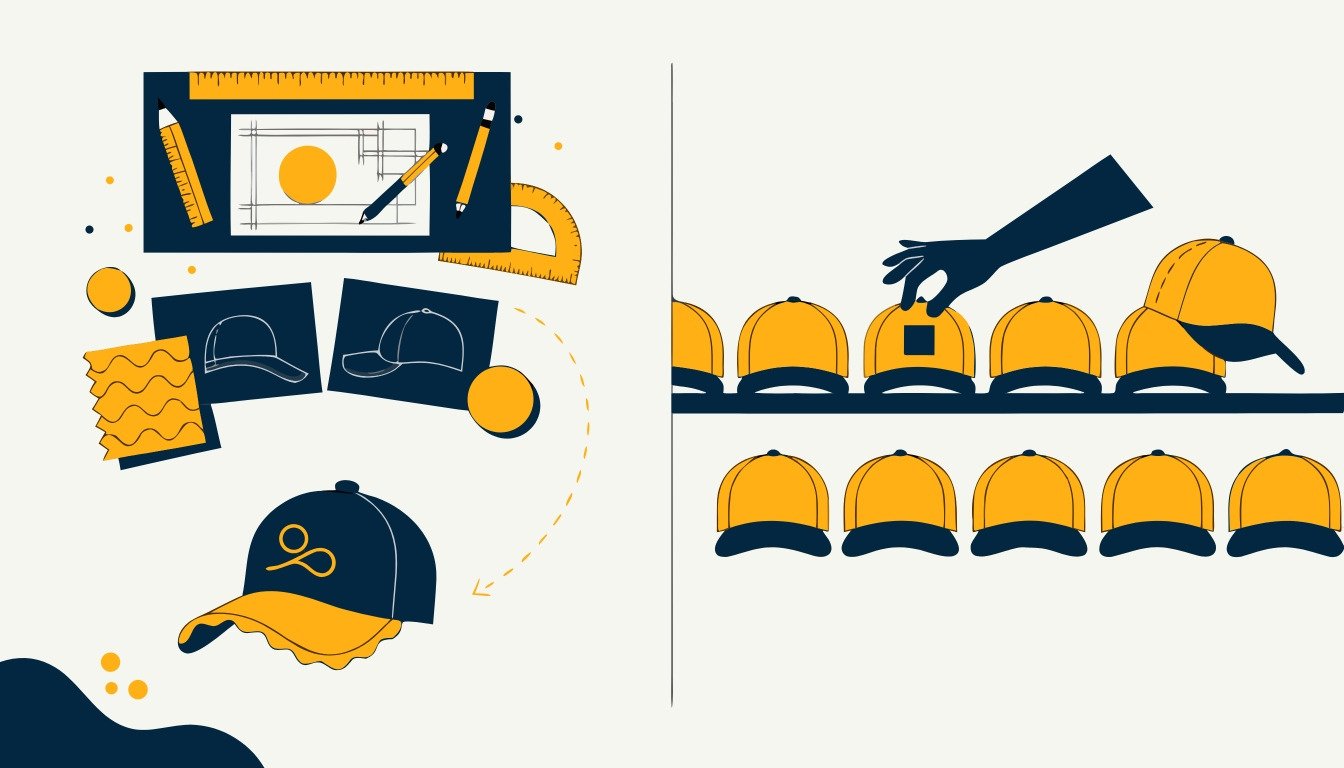
Choosing the right manufacturing model can make or break your hat business. Let’s explore the differences, benefits, and risks of OEM and ODM to help you decide which is better for your brand.
Understand the Key Differences Between OEM and ODM Hat Manufacturing Before You Order
Whether you're starting out or scaling your brand, the terms OEM and ODM may seem confusing. Misunderstanding them can lead to costly mistakes.
OEM stands for Original Equipment Manufacturer, where the factory produces hats strictly based on your designs and specifications. ODM stands for Original Design Manufacturer, where factories offer pre-designed products you can slightly tailor to your needs[^2].
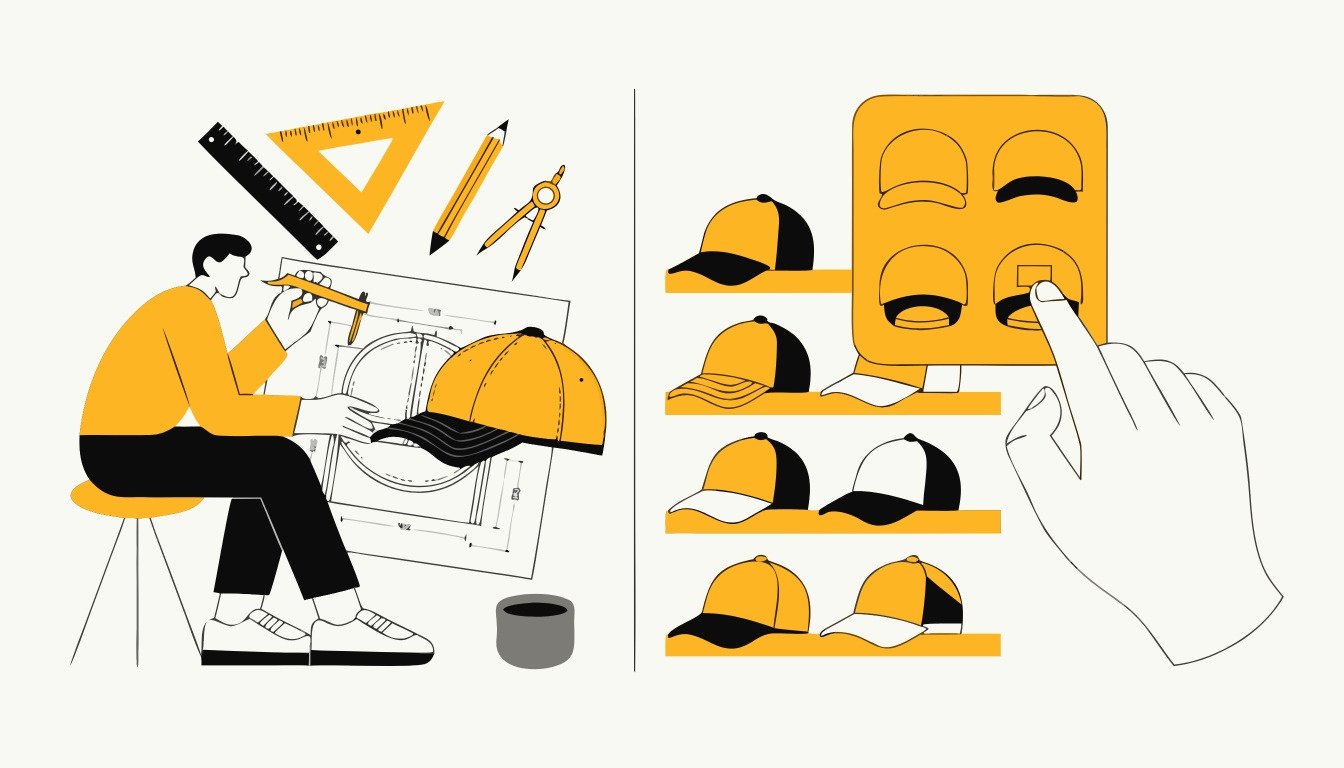
OEM is ideal for brands looking for complete control over product design. It requires you to provide detailed technical drawings and materials. ODM works for companies seeking faster production with the ability to add their logo or make minor design tweaks[^3]. Here's a table breaking down the differences:
| Feature | OEM | ODM |
|---|---|---|
| Design Control | Full control over design | Limited customization options |
| Speed to Market | Longer lead times | Faster production |
| Cost | Higher due to custom designs | Lower due to existing designs |
| Brand Ownership | Complete ownership | Shared or limited ownership |
Compare Cost, Lead Time, Customization Options, and Brand Ownership Side by Side
Cost, lead time, customization, and brand ownership are critical factors that influence your manufacturing choice. Let me share how these differ between OEM and ODM.
OEM manufacturing typically costs more because of the custom designs, longer lead times, and greater investment in materials. ODM, on the other hand, is more affordable, quicker, and offers limited customization.
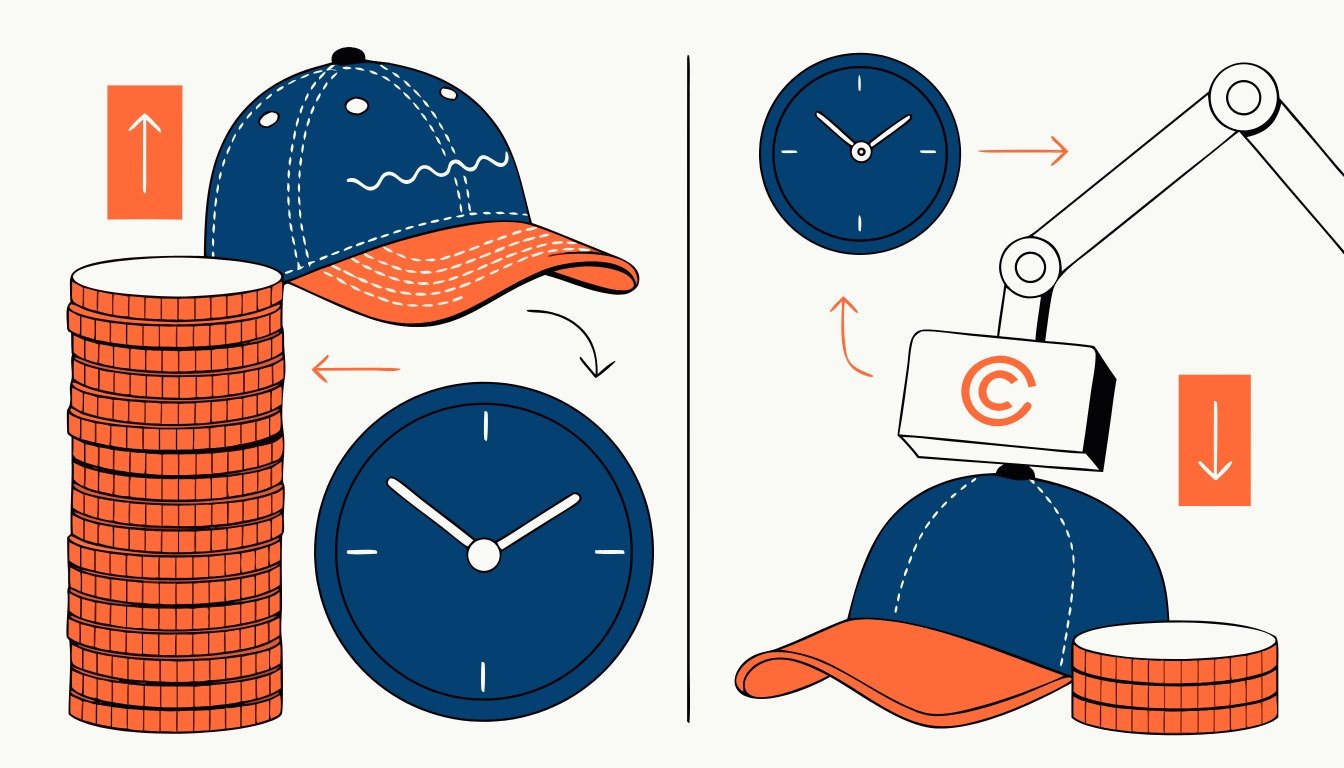
OEM allows you to build a strong, unique brand identity but requires upfront investment. ODM is cost-effective for startups or brands experimenting with new product lines, making it attractive for testing the market with low risk[^4].
Discover Which Manufacturing Model Best Fits Startups, Retailers, and Established Brands
Every business has unique needs. A startup might prioritize cost savings, while an established brand may value exclusivity and control.
Startups often lean towards ODM because of its lower cost and quicker turnaround[^5]. Established brands with clear designs often prefer OEM to maintain control and exclusivity. Retailers may balance between the two depending on their goals.
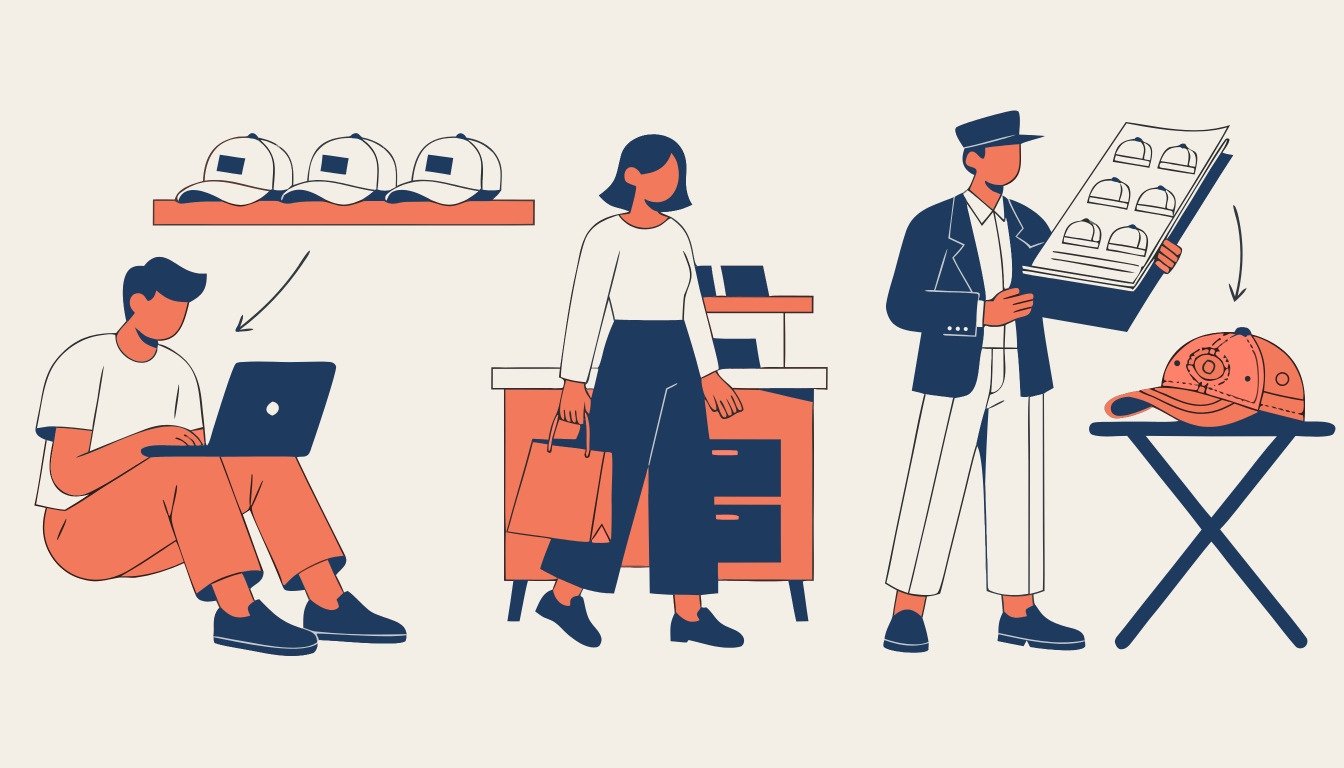
Here’s how each model fits different business types:
- Startups: ODM is ideal due to reduced financial risk and faster time to market.
- Retailers: ODM can work for seasonal or trend-driven products; OEM suits long-term brand development.
- Established Brands: OEM provides control and exclusivity, perfect for brands with strong market presence.
Learn How to Reduce Development Risks While Maximizing Product Quality and Profit Margins
Risks in manufacturing range from quality issues to delays. How do you mitigate these risks while ensuring your profit margins remain intact?
To reduce risks, choose a manufacturer with proven experience, clear communication, and quality assurance protocols. Thoroughly vet suppliers and request samples before committing to big orders.
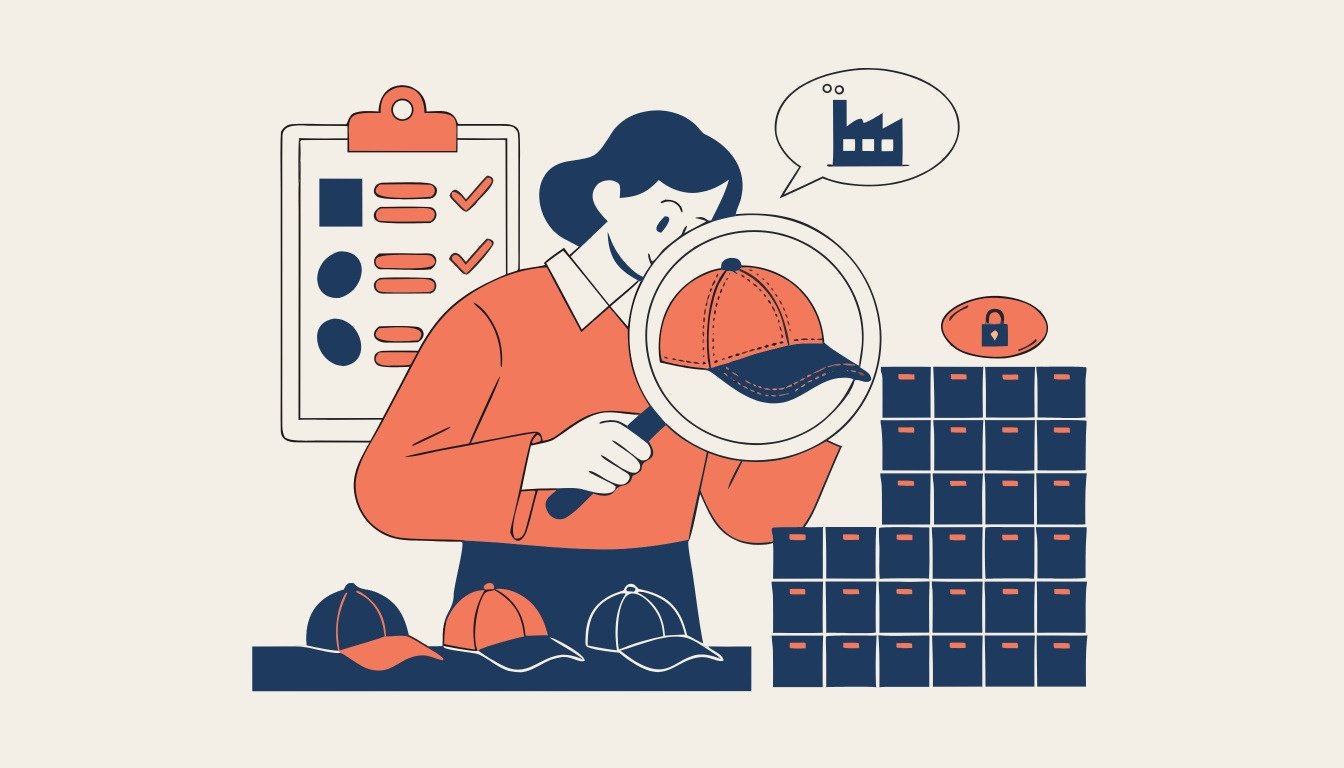
Here are some strategies to maximize quality and margins:
- Supplier Vetting: Research the factory’s history and client reviews.
- Prototype Testing: Start with small batches to test product quality.
- Contracts: Ensure clear agreements on timelines and standards.
- Regular Inspections: Visit factories or hire third-party inspectors for quality checks.
Expert Tips for Choosing the Right Custom Hat Factory Based on Your Business Goals
Choosing the right factory can feel daunting, especially with so many options available in markets like China. Here’s what you need to know.
Look for a factory with experience in your product category, strong communication, and transparent pricing. Prioritize manufacturers with a track record of reliability and high-quality production.

Here’s how to select the best factory:
- Set Your Priorities: Identify whether cost, speed, customization, or quality is most important for your brand.
- Ask for References: Contact previous clients to understand their experience with the factory.
- Evaluate Communication: Choose a factory that understands your needs and offers clear timelines.
- Visit the Facility: Whenever possible, visit the manufacturing site to assess their capabilities.
Conclusion
Choosing between OEM and ODM depends on your business needs, budget, and goals. Understanding the key differences will guide you to the best decision for your custom hat brand.