The design and production process can often feel overwhelming. When my team faced a demanding global client, we knew we had to step up our game.
**This case study explores how we tackled the client’s design requirements and production goals, ensuring the final products met their expectations.**
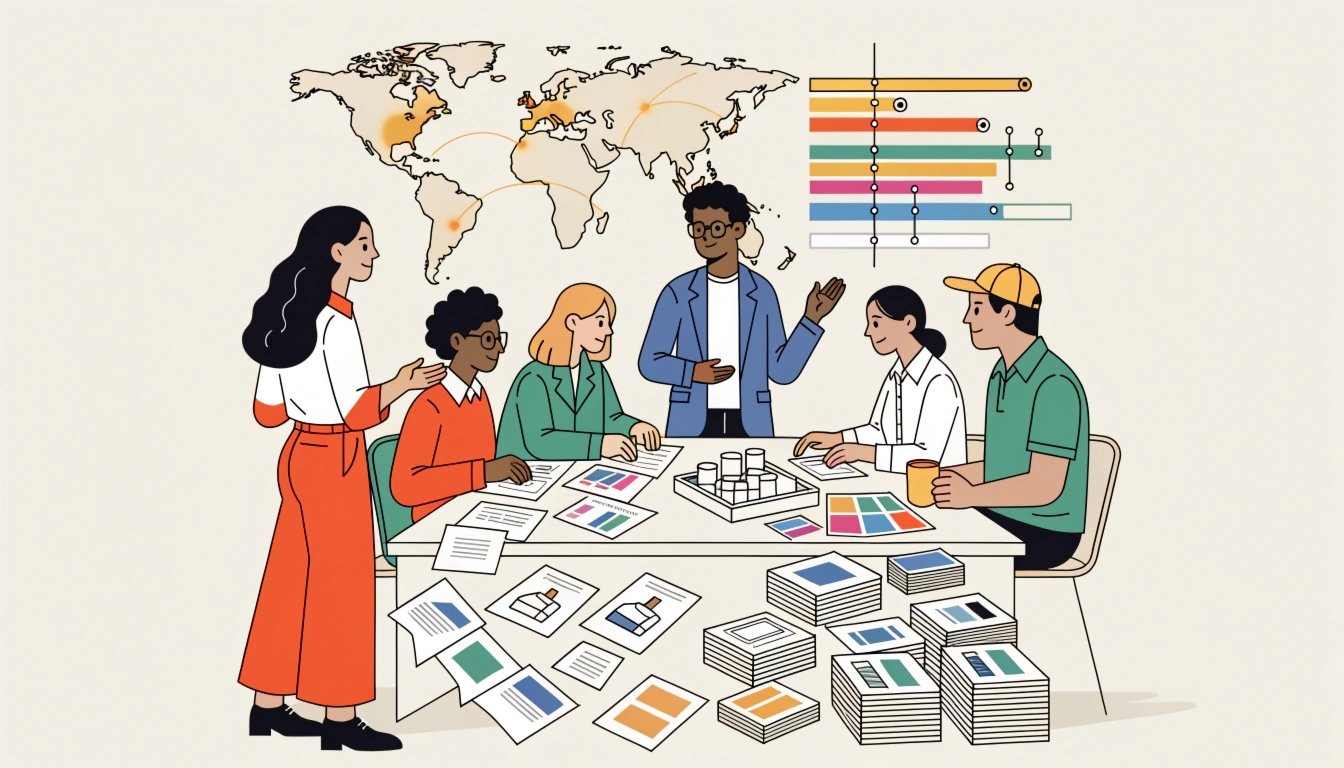
We learned that understanding client needs is crucial. By diving deep into their objectives, we set the foundation for success. This journey was not just about delivering products; it was about building a relationship based on trust and collaboration.
## Understanding the Client’s Design Requirements and Production Goals?
Our first step was to gather insights about the client’s vision. It was essential to understand what they wanted and needed.
**We focused on their design requirements and production goals, which helped us map out an effective strategy.**
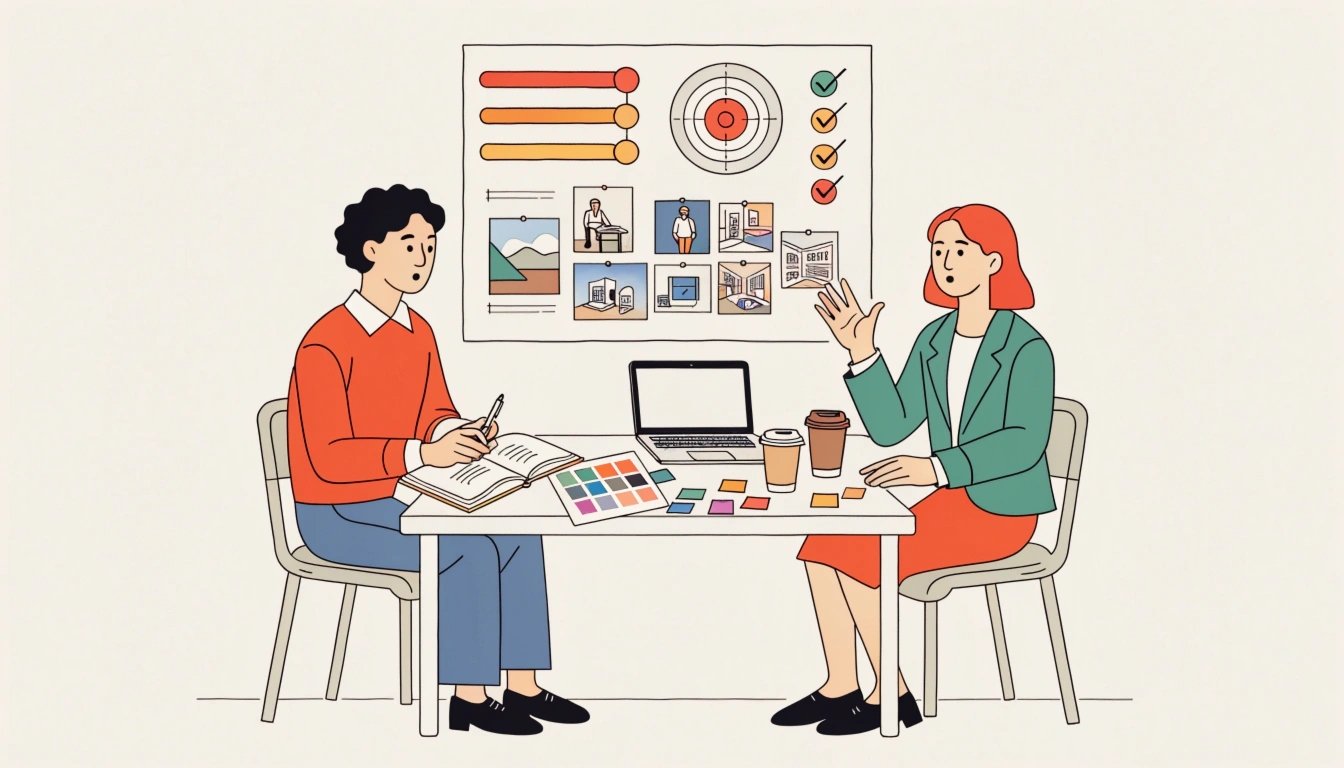
Getting into the client’s shoes was vital. We organized meetings where they shared stories about their brand and target audience. This helped us grasp their expectations. We also examined their existing products and identified areas for improvement. With this information, we could align our approach to their vision.
We realized early on that our communication was key. By keeping the lines open, we could quickly address any concerns and adapt our plans as needed. The more we engaged with the client, the better solutions we could offer.
## Overcoming Design Challenges Through Expert Solutions?
Every project comes with its own set of challenges. Our team encountered several design hurdles, and overcoming them required creativity and expertise.
**We leveraged our experience to provide innovative solutions that transformed challenges into opportunities for excellence.**
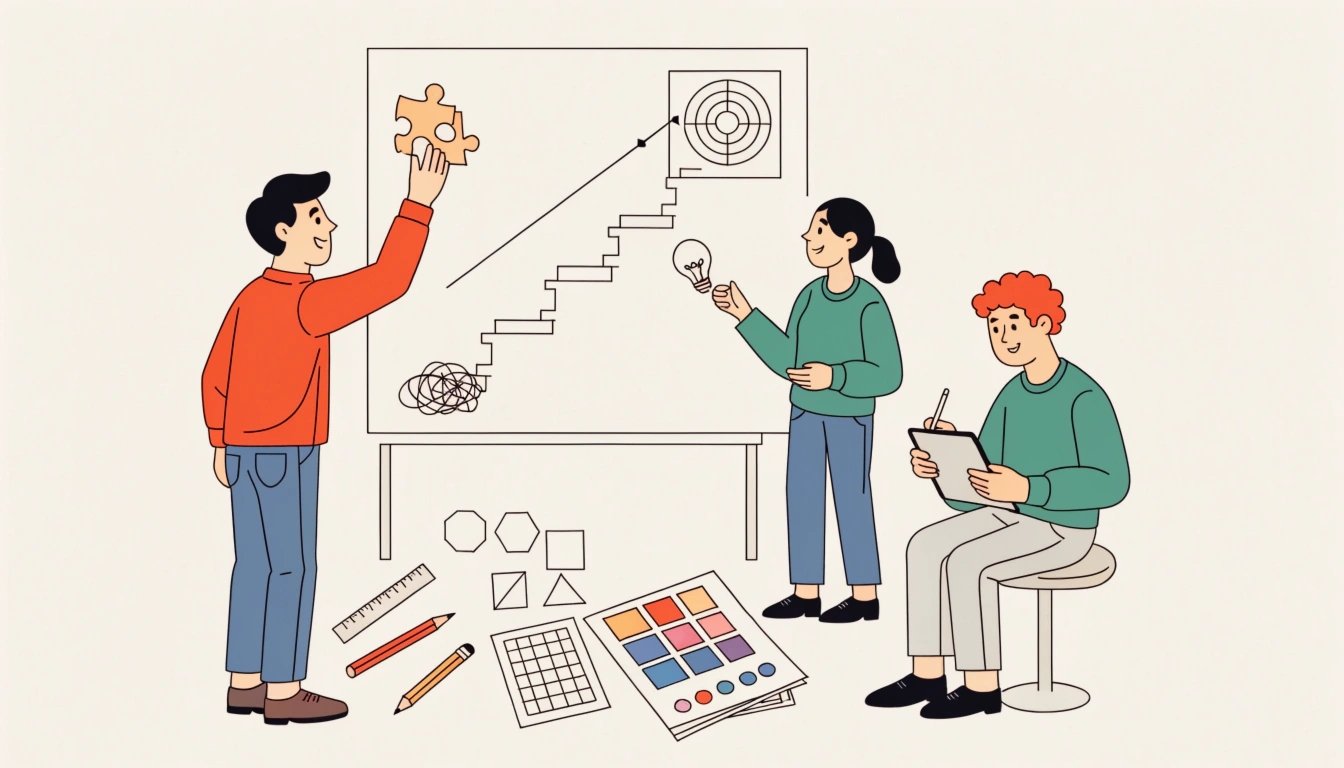
One of the major challenges was meeting the client’s aesthetic demands while ensuring functionality. We brainstormed ideas and generated multiple prototypes. Each iteration brought us closer to the final design. We encouraged feedback from the client at every stage, fostering a collaborative environment.
Another challenge was ensuring that the designs could be efficiently produced. We had to balance creativity with practicality. This involved close collaboration with our production team. We examined the feasibility of each design and made necessary adjustments to streamline the manufacturing process.
In the end, our commitment to overcoming these challenges made all the difference. We emerged not just with designs that met expectations, but with solutions that enhanced the client’s overall vision.
## Selecting the Right Materials and Customization Techniques?
Material selection is a critical aspect of any design process. We knew that the materials we chose would impact the final product’s quality and performance.
**We carefully analyzed various materials and customization techniques to meet the client’s needs while ensuring durability and appeal.**
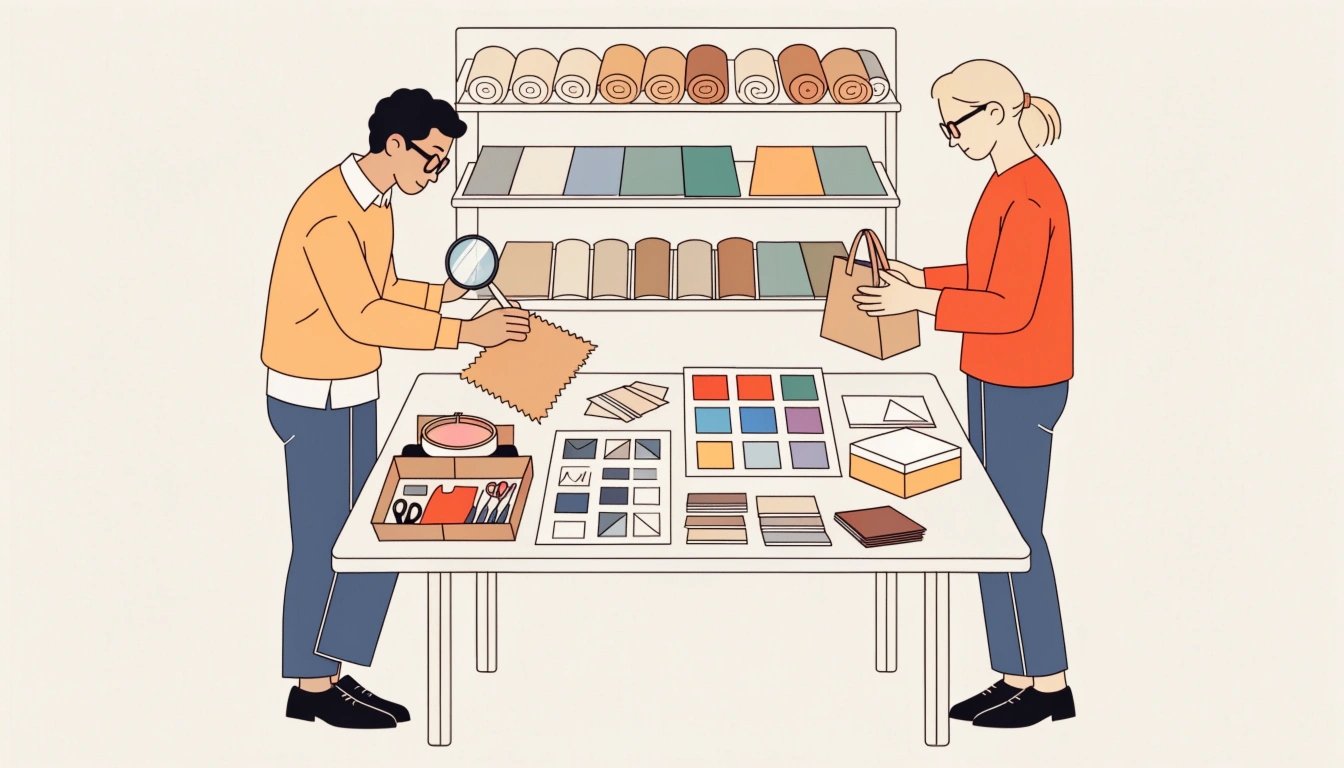
To start, we researched various options that aligned with the client’s brand values. Sustainability was a priority for them. We presented materials that were not only visually appealing but also environmentally friendly.
Customization was another significant factor. We explored different techniques, such as screen printing and laser engraving, to add unique touches to the products. This allowed the client to stand out in a competitive market.
We prepared a comparison chart for the client, showcasing the pros and cons of each material and technique. This helped them make informed decisions while also feeling involved in the process.
Ultimately, selecting the right materials and customization options was a collaborative effort, and it significantly contributed to the project’s success.
## Ensuring Consistent Quality Throughout the Manufacturing Process?
Quality control is crucial in manufacturing. I knew we had to maintain high standards at every stage to meet the client’s expectations.
**Our approach included implementing rigorous quality assurance measures, ensuring every product met our specifications.**
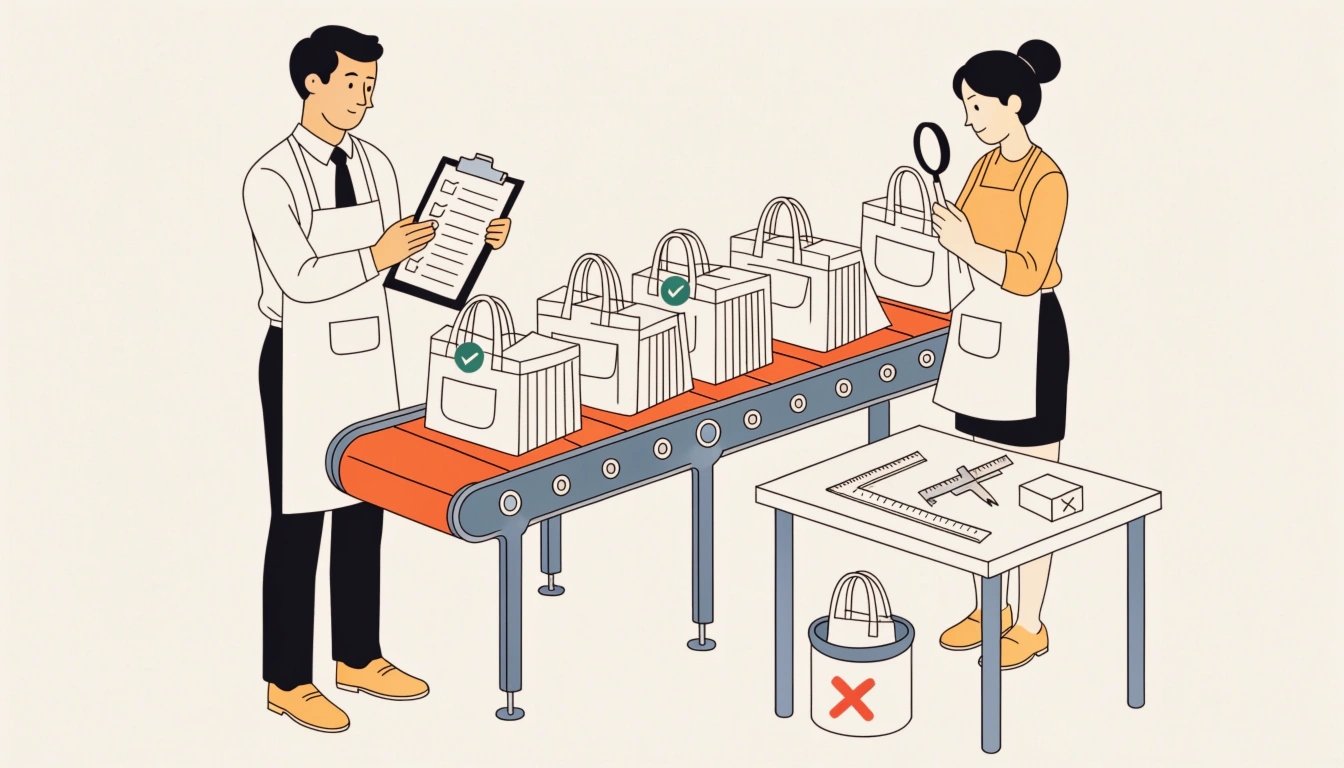
We established a detailed quality control plan that outlined checkpoints throughout the production process. This plan included inspecting materials upon arrival, monitoring production, and conducting final product evaluations.
Training our production team was essential. We held workshops to instill a quality-first mindset, emphasizing the importance of attention to detail. Regular communication with the client during this phase also played a significant role. They appreciated updates on our quality measures and the opportunity to provide input.
By the time we reached the final production phase, we were confident in the quality of our products. This reassurance was reflected in the client’s satisfaction with the end result.
## Delivering the Final Products on Time and Meeting Client Expectations?
Timing is everything in the business world. Once we finalized the designs, it was crucial to deliver the products on schedule.
**We developed a detailed timeline and adhered to it, ensuring we met the client’s delivery expectations without compromising quality.**
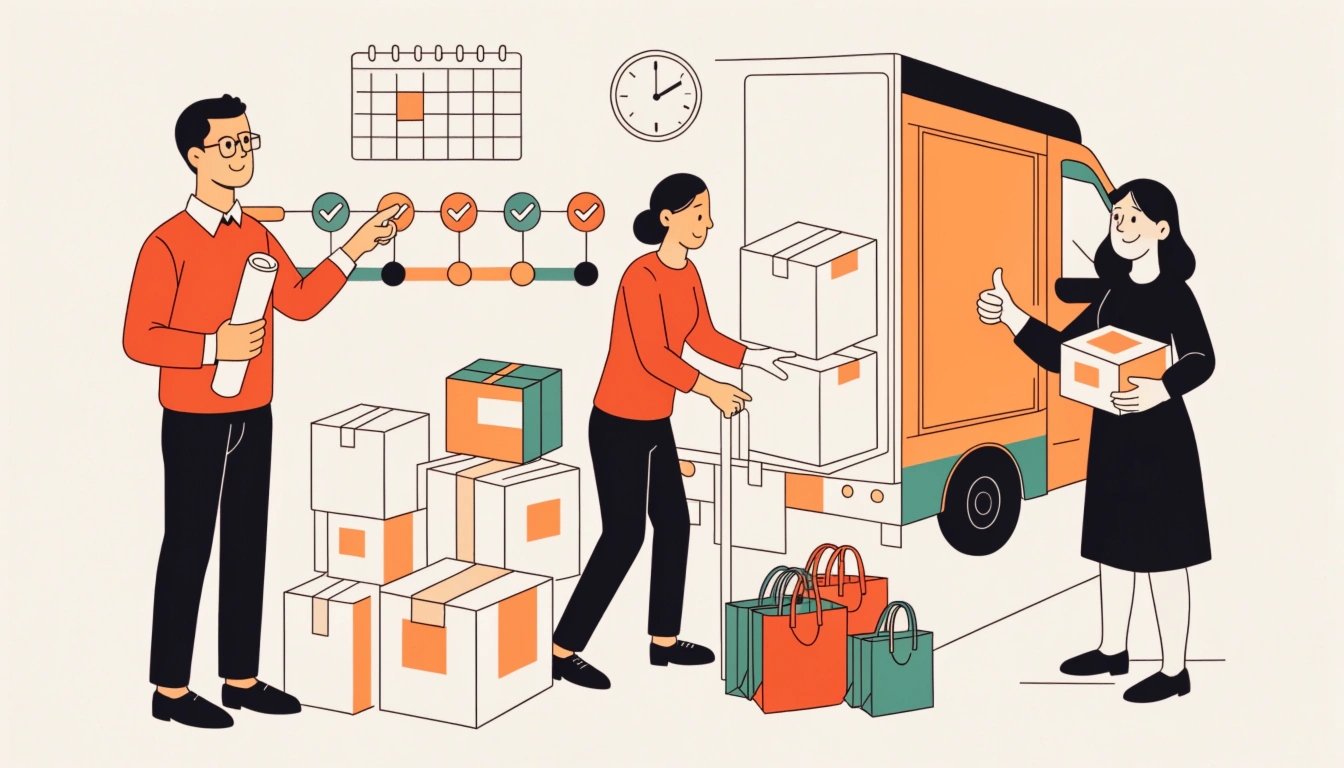
To achieve this, we created a project management timeline with clear milestones. This helped us track progress and identify potential delays early on. Regular check-ins with the production team ensured everyone was on the same page.
As we approached the delivery date, we faced some unexpected challenges. However, our proactive approach and adaptability allowed us to navigate these hurdles effectively. We communicated with the client about potential delays, and they appreciated our transparency.
In the end, we delivered the products on time and exceeded the client’s expectations. Their satisfaction was a testament to our hard work and dedication throughout the process.
## Conclusion
In this case study, we explored how understanding client needs and effective collaboration allowed us to overcome design and production challenges successfully.