
Manufacturing custom caps can be costly and confusing. With so many factors involved, it’s hard to know where your money goes or how to save. Let’s break it down.
The cost to manufacture custom caps depends on materials, production processes, design details, and order quantity.[^1] These factors directly influence the overall price per unit.
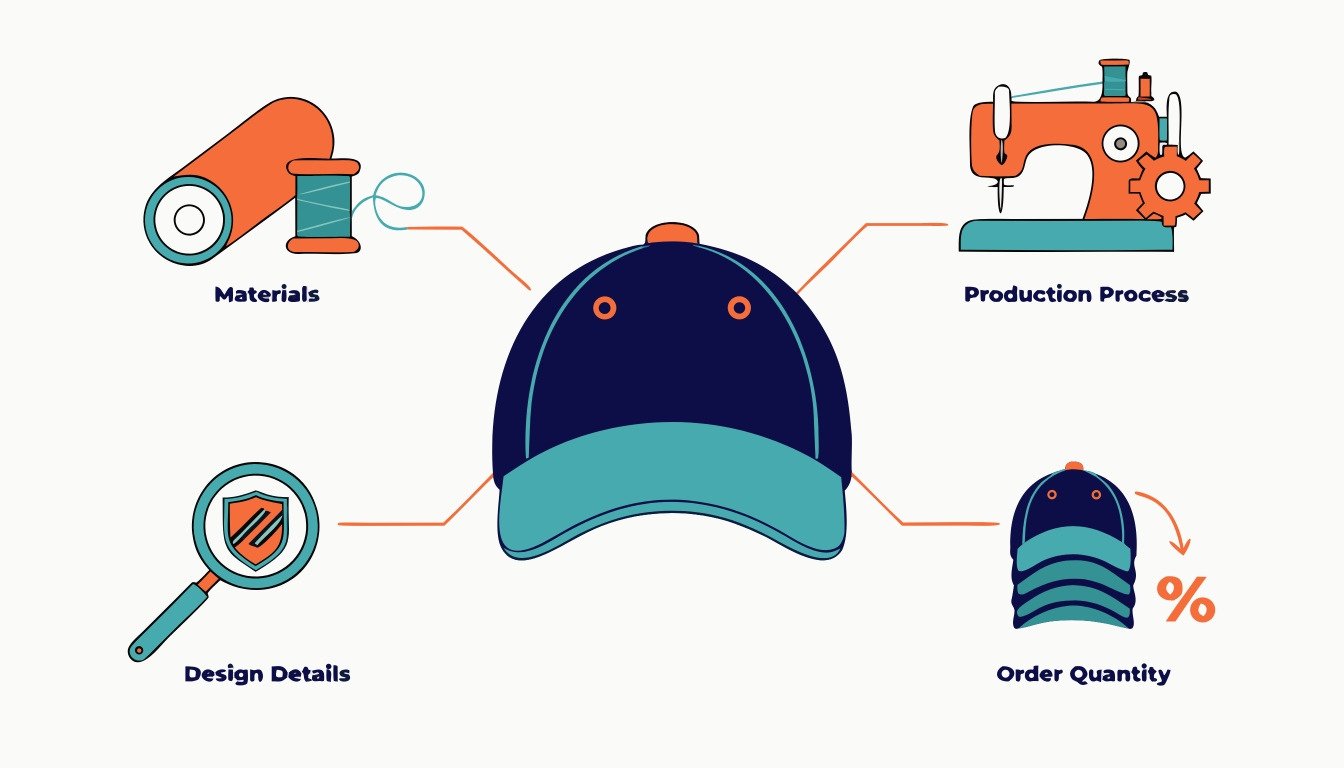
Understanding these costs is essential for making informed decisions. To help, let’s explore the details behind custom cap manufacturing.
A Complete Breakdown of Custom Cap Manufacturing Costs, From Materials to Production?
Custom cap production costs involve multiple steps. Each plays a role in determining the final price, and skipping one could lead to mistakes.
Cap costs are broken into four main areas: materials, labor, overhead, and profit margins.[^2] Together, they determine the total expense of production.
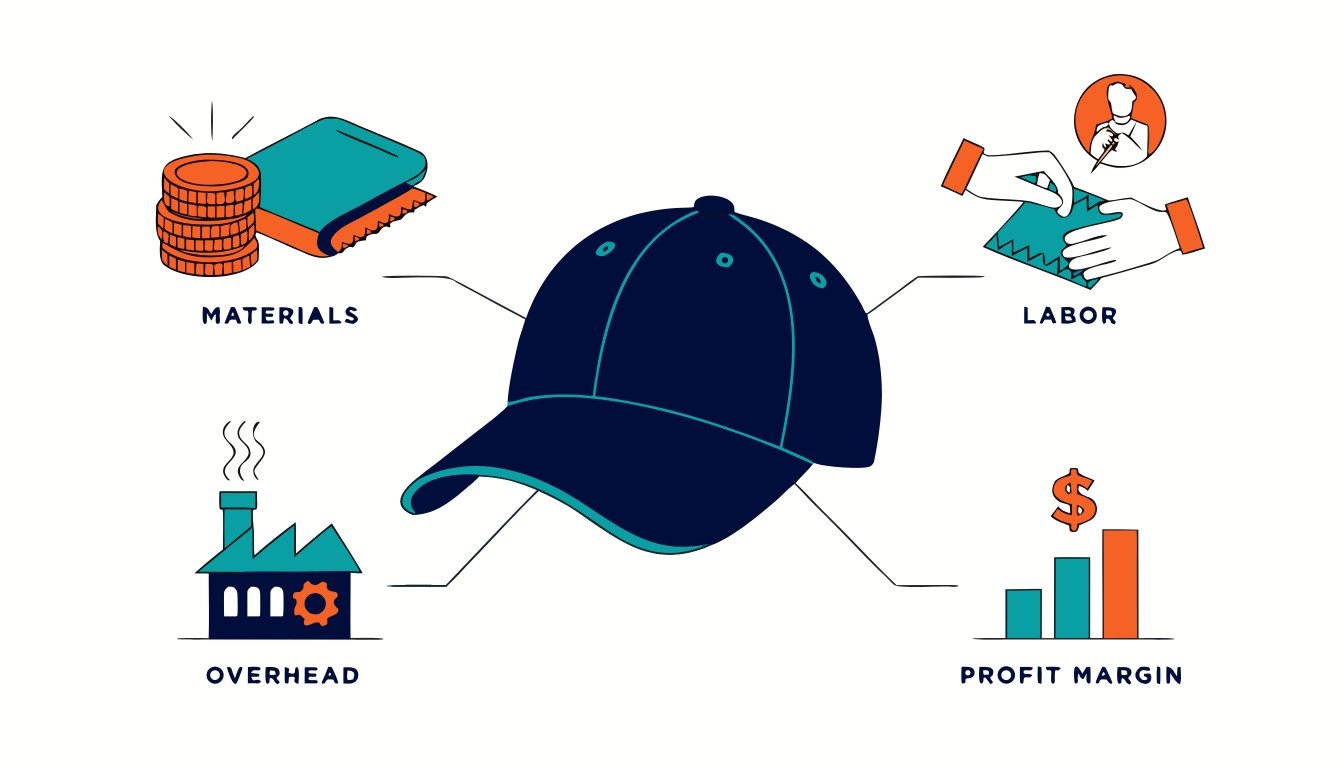
From selecting premium fabric to embroidery setup, here’s how the process unfolds:
| Cost Element | Description | Price Range |
|---|---|---|
| Raw Materials | Fabric, thread, and accessories | $1 - $3 per cap |
| Production Labor | Cutting, sewing, assembly | $2 - $5 per cap |
| Overhead | Factory costs | $0.50 - $1 per cap |
| Customization | Embroidery, printing, patches | $3 - $8 per cap |
| Packaging & Shipping | Boxes, labels, transport | $1 - $2 per cap |
Each step impacts cost. Choosing local or overseas manufacturing can also affect your final budget.
Key Factors That Influence the Price of Custom Caps for Your Brand?
Custom cap prices vary by brand and order specifics. Understanding the key drivers helps make smarter choices.
Factors like branding, quantity, material quality, and factory location influence cap manufacturing prices significantly.
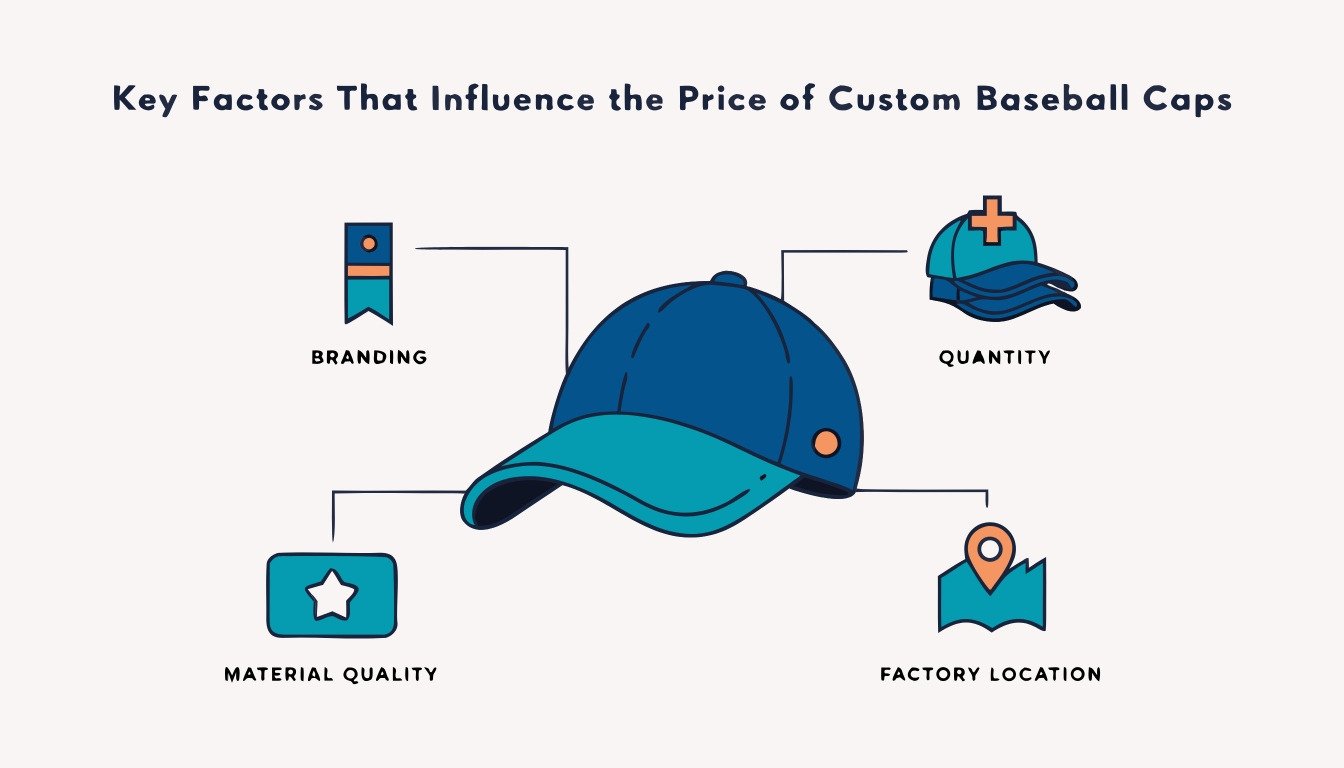
Dive deeper into these influences:
-
Branding Complexity
Simple designs cost less. Logos and intricate details require additional materials and labor. -
Order Quantity
Bulk orders reduce costs per unit. Factories give discounts for larger orders. -
Material Choices
High-quality fabrics cost more upfront but last longer and provide better customer satisfaction.[^3] -
Manufacturing Location
Overseas production often reduces labor costs. However, shipping is usually higher.
By analyzing these, brands can plan cap production effectively.
How Logo, Fabric, Quantity, and Customization Options Affect Cap Pricing?
Logos, fabric quality, and order size impact overall costs. Customization options can increase prices but also add value.
Logos and customization are priced based on complexity, size, and technique. Order size affects economies of scale.
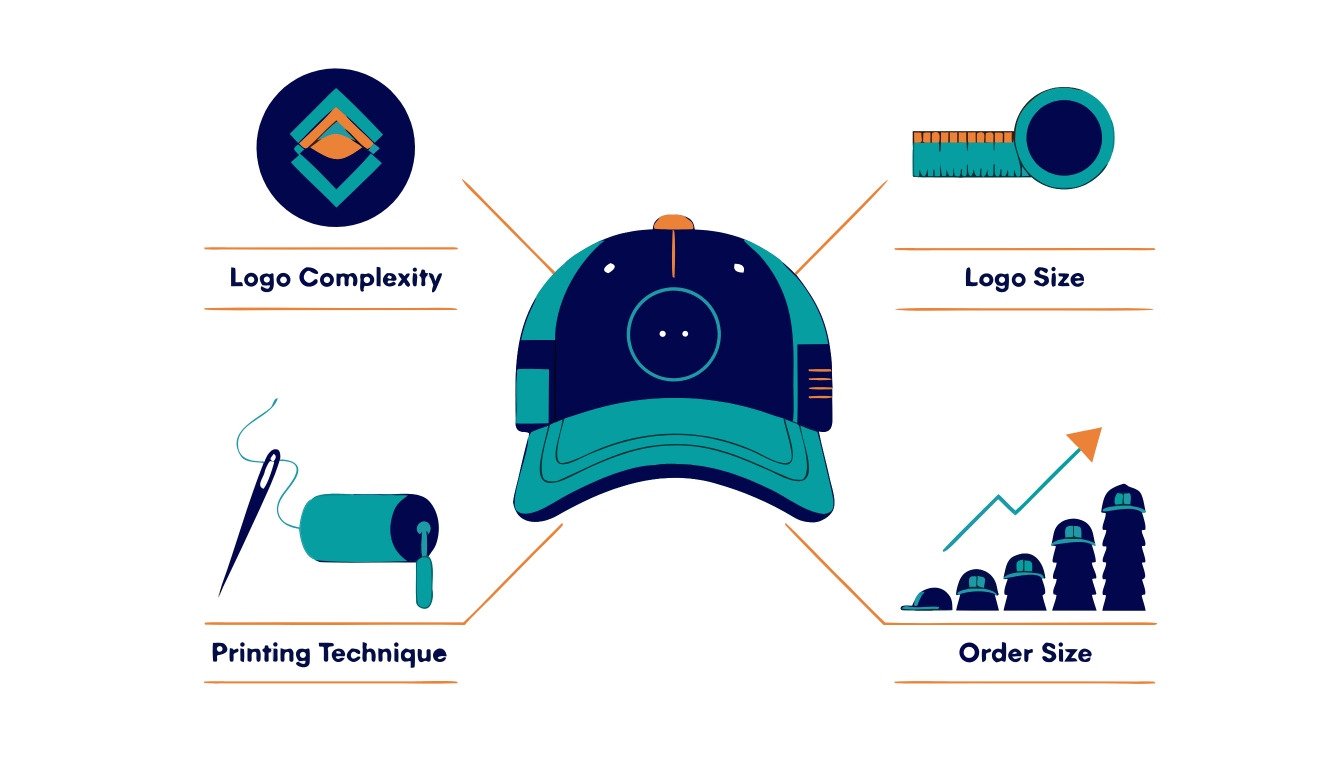
Here’s why these factors matter:
- Logos: Embroidery costs more than screen printing. Bigger logos add labor time.
- Fabric: Cotton and wool caps are pricier than polyester. Eco-friendly materials often cost extra.
- Quantity: Ordering 500 caps lowers per-unit costs compared to 50 caps.
- Customization Options: Accessories like patches, adjustable straps, or mesh increase production steps.
Making strategic decisions in these areas keeps costs manageable.
OEM Cap Manufacturing Costs Explained: What Global Buyers Need to Know?
OEM (Original Equipment Manufacturer) cap production is common for brands sourcing globally. Pricing for OEM caps depends on location and factory capabilities.
OEM manufacturing costs include material sourcing, design customization, labor, and shipping logistics. Overseas factories typically offer lower base costs.
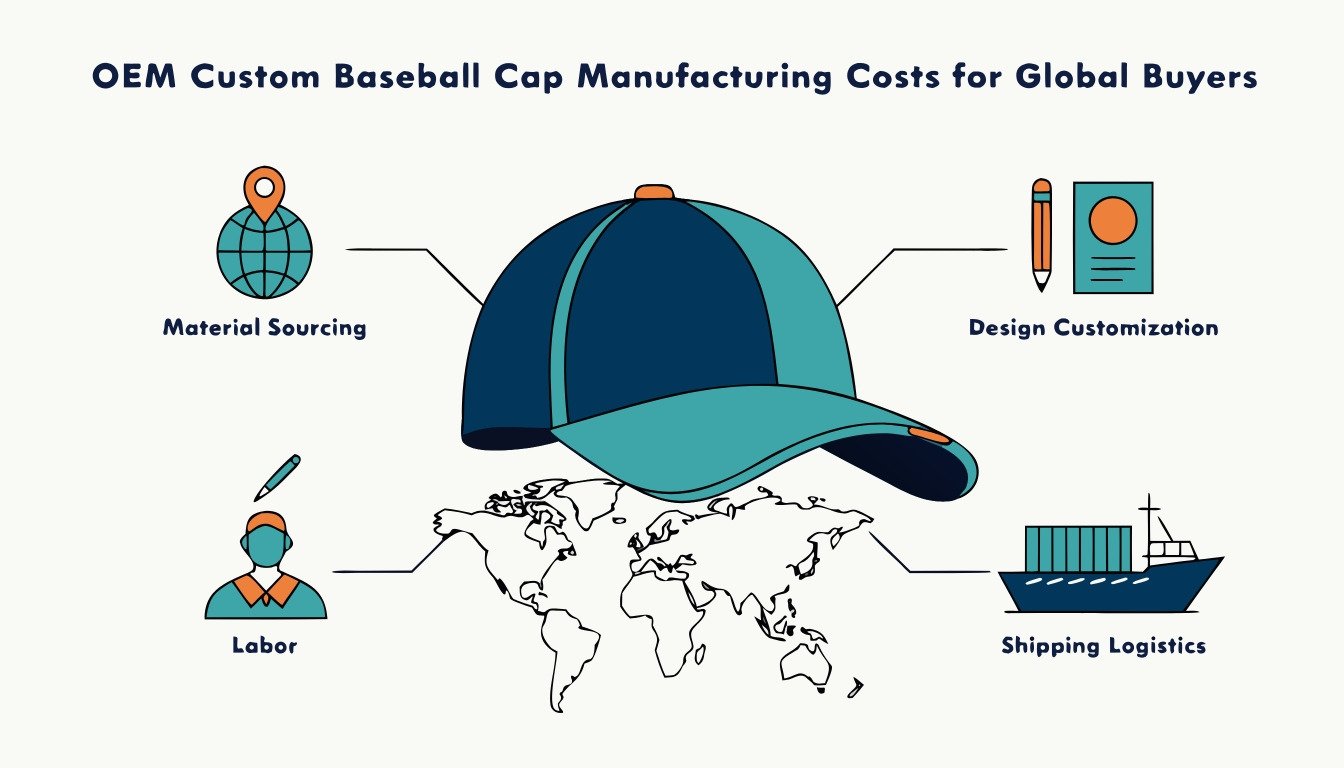
Here’s what buyers need to consider:
- Factory Specialization: Some factories focus solely on caps, reducing inefficiencies.
- Shipping Costs: Air shipping is faster but pricier than ocean freight.
- Minimum Order Quantities: Many OEM factories require high minimums.
- Currency Exchange Rates: A weak local currency can mean cheaper production.
Understanding OEM dynamics helps buyers negotiate better pricing.
Tips to Reduce Custom Hat Production Costs Without Compromising Quality?
Saving on custom cap manufacturing doesn’t mean sacrificing quality. Practical strategies can help keep costs in check.
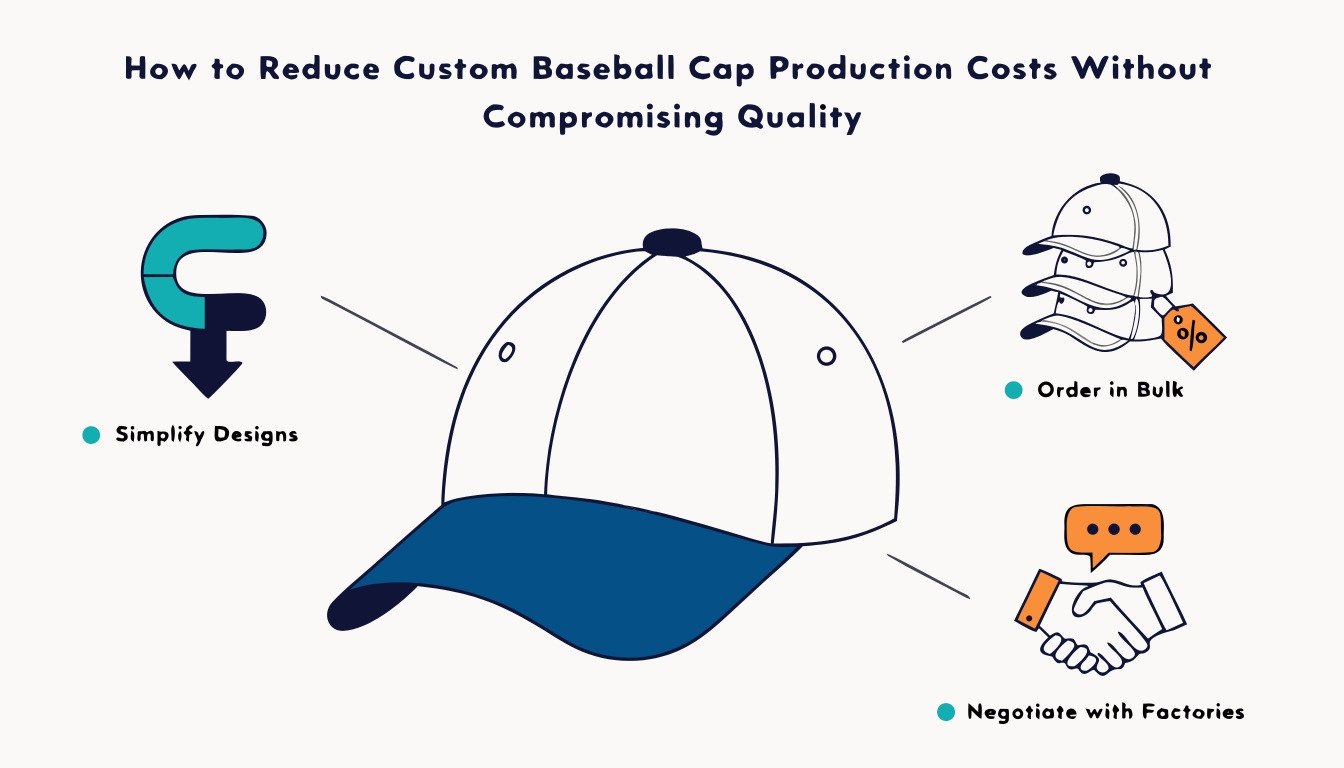
Here’s how:
- Simplify Designs: Avoid over-complicated logos or patterns.
- Order in Bulk: Higher quantity orders lower per-cap costs.
- Negotiate Terms: Factories are often open to volume-based discounts.
- Choose Efficient Factories: Specialized manufacturers reduce production time and errors.
With these tips, brands can balance affordability and quality.
Conclusion
Custom cap manufacturing costs depend on many factors like materials, order size, and customization. Knowing these details helps you plan production wisely and save money.