
US brands need reliable Chinese baseball cap manufacturers to ensure trust, quality, and efficiency. But what specific factors matter most to them in this business relationship?
US brands prioritize social audit qualifications, flexible MOQs, transparent pricing, IP protection, and sampling speed when choosing Chinese baseball cap manufacturers. These factors ensure smooth cooperation, market success, and risk management.

Collaborating with manufacturers in China can be complex. Understanding what US brands care about is essential for creating strong and successful partnerships.
Social Audit Qualifications Avoid Brand Sanctions & Public Risks?
Consumers demand ethical production, and brands face backlash if manufacturers violate labor or environmental standards. Social compliance audits are now mandatory for many US brands.
Chinese baseball cap manufacturers must pass social audits to demonstrate ethical practices1. Compliance ensures that brands avoid public criticism, sanctions, or disruptions to their supply chain2.
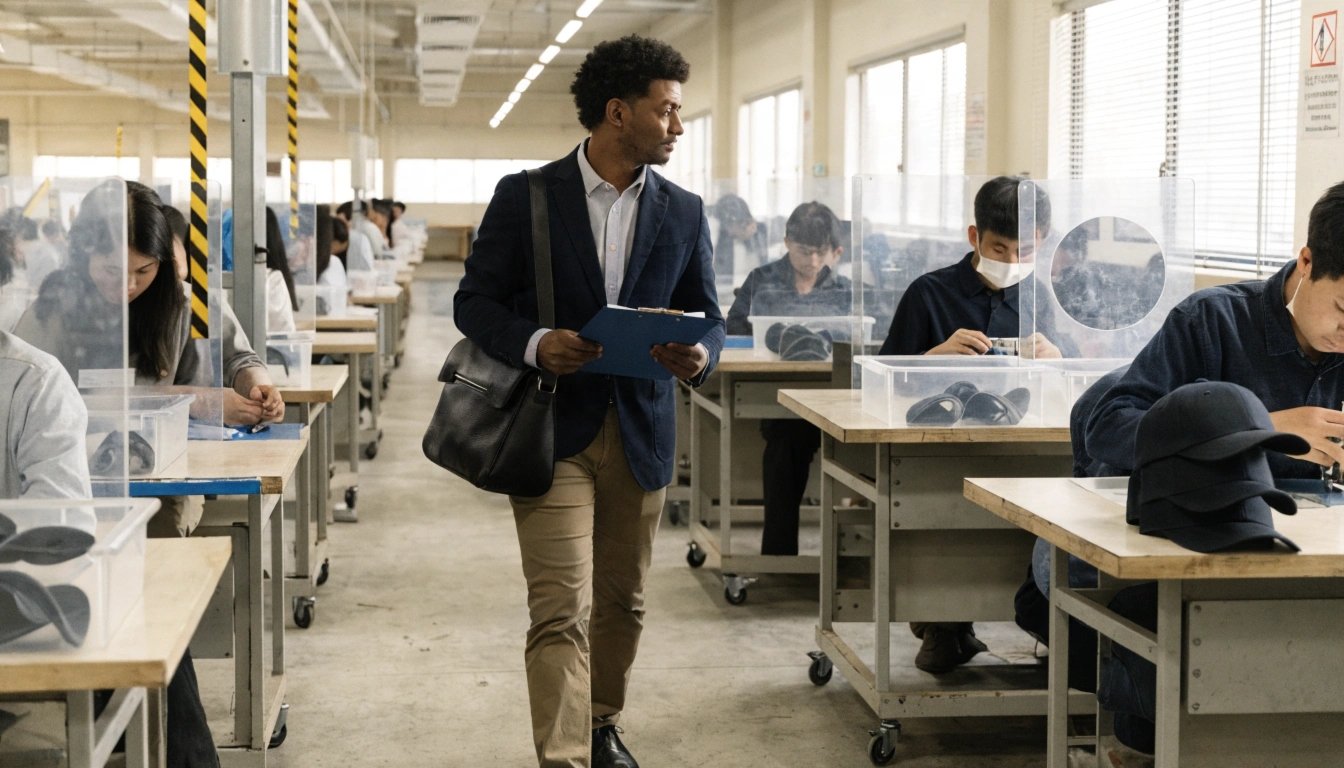
Social audits evaluate labor rights, safety conditions, and environmental responsibilities. US brands care deeply about these reviews to align with their values and customer expectations. Manufacturers that struggle with audits risk losing contracts. For example, a factory failing to meet child labor standards causes immediate rejection from most American clients. This is why I always advise suppliers to invest in ethical certifications like BSCI or SEDEX.
Flexible MOQ Supports American Start-Up Hat Brands Test The Market?
Start-up brands often need small orders to test product-market fit. High minimum order quantities can block these businesses from working with many manufacturers.
Offering flexible MOQs helps start-up US brands test new designs and gauge demand without risking heavy inventory costs. Start-ups cannot afford high upfront investments.

For start-ups testing seasonal trends or niche designs, large MOQs create roadblocks. US brands appreciate manufacturers who provide options for smaller orders and scaling production later. Adaptable MOQs build long-term trust and stability for emerging businesses. One of my friends, who started a small hat business, only succeeded because their supplier accommodated low initial quantities.
Transparent Quotation & Tariff Solutions Control Overall Import Cost?
Hidden costs frustrate US brands. Transparent pricing and tariff solutions help them budget effectively and avoid surprises during shipments.
Manufacturers with clear quotations and tariff breakdowns help US brands control import costs, avoid delays, and maintain profitability in competitive markets.

Cost clarity is crucial for any business relationship. US brands want detailed quotes covering materials, labor, shipping, and tariffs. Without transparency, brands face unexpected fees that hurt margins. For example, I’ve seen cases where brands missed small tariff changes that became big financial problems. Clear communication from suppliers prevents these issues.
Strict IP Confidential Mechanism Prevent Logo Design Piracy?
Brand logos are the heart of identity. Any leak during production can lead to logo piracy, damaging reputation and causing financial loss.
Strict IP confidentiality mechanisms in factories prevent logo design theft and ensure brand safety during production3. US brands value trust and privacy.

Design security is a non-negotiable priority for US brands. Manufacturers must protect intellectual property with contracts, secure systems, and staff training4. Brands often choose factories that use NDAs and strict confidentiality protocols. Once, I spoke with a brand owner whose logo was leaked online, and it cost them thousands to rebrand. Strong IP protection prevents these nightmares.
Fast Sampling Speed Matches American Seasonal Launch Rhythm?
The American market moves fast. Seasonal launches demand quick production cycles, and manufacturers must keep pace with this rhythm.
Fast sampling speed helps US brands match American seasonal launches, ensuring they meet trends and customer demand on time. Speed matters more than ever.

Sampling is often the first step in a business relationship. US brands depend on manufacturers for swift samples to validate designs before larger production runs. Delayed sampling can cost brands opportunities in seasonal markets. For example, missing a spring launch can result in major revenue loss. I’ve learned that speed equals success for both parties.
Conclusion
US brands prioritize ethical audits, flexible MOQs, clear pricing, IP protection, and sampling speed when working with Chinese manufacturers. Meeting these needs builds trust and long-term success.
"How To Find Ethical Apparel Manufacturers In China", https://www.ambitionchina.cn/how-to-find-ethical-apparel-manufacturers-in-china.html. Industry guidelines or sourcing policies from major US brands can provide evidence that passing social audits is a common requirement for Chinese manufacturers supplying to the US market. Evidence role: expert_consensus; source type: institution. Supports: Chinese baseball cap manufacturers must pass social audits to demonstrate ethical practices.. Scope note: Not all manufacturers are required to pass audits unless specified by the buyer. ↩
"How corporate social responsibility affects brand equity and loyalty? A ...", https://pmc.ncbi.nlm.nih.gov/articles/PMC9026615/. Case studies or industry reports can illustrate how social compliance helps brands avoid reputational damage, sanctions, or supply chain disruptions, though outcomes may depend on the specific context. Evidence role: case_reference; source type: research. Supports: Compliance ensures that brands avoid public criticism, sanctions, or disruptions to their supply chain.. Scope note: The relationship is context-dependent and not absolute for all brands. ↩
"Mexico - Protecting Intellectual Property", https://www.trade.gov/country-commercial-guides/mexico-protecting-intellectual-property. Legal and industry sources indicate that strict IP confidentiality mechanisms, such as NDAs and secure processes, reduce the risk of logo design theft in manufacturing, though no system is foolproof. Evidence role: mechanism; source type: education. Supports: Strict IP confidentiality mechanisms in factories prevent logo design theft and ensure brand safety during production.. Scope note: IP risks cannot be entirely eliminated even with strong mechanisms. ↩
"Intellectual Property in Fashion", https://www.wipo.int/en/web/fashion. Legal guidelines and industry standards recommend contracts, secure systems, and staff training as best practices for protecting intellectual property in manufacturing. Evidence role: expert_consensus; source type: education. Supports: Manufacturers must protect intellectual property with contracts, secure systems, and staff training.. Scope note: Implementation and enforcement may vary by manufacturer. ↩