
Turning creative ideas into physical products can feel like an overwhelming journey. From sketches to final prototypes, every step needs precision and focus.
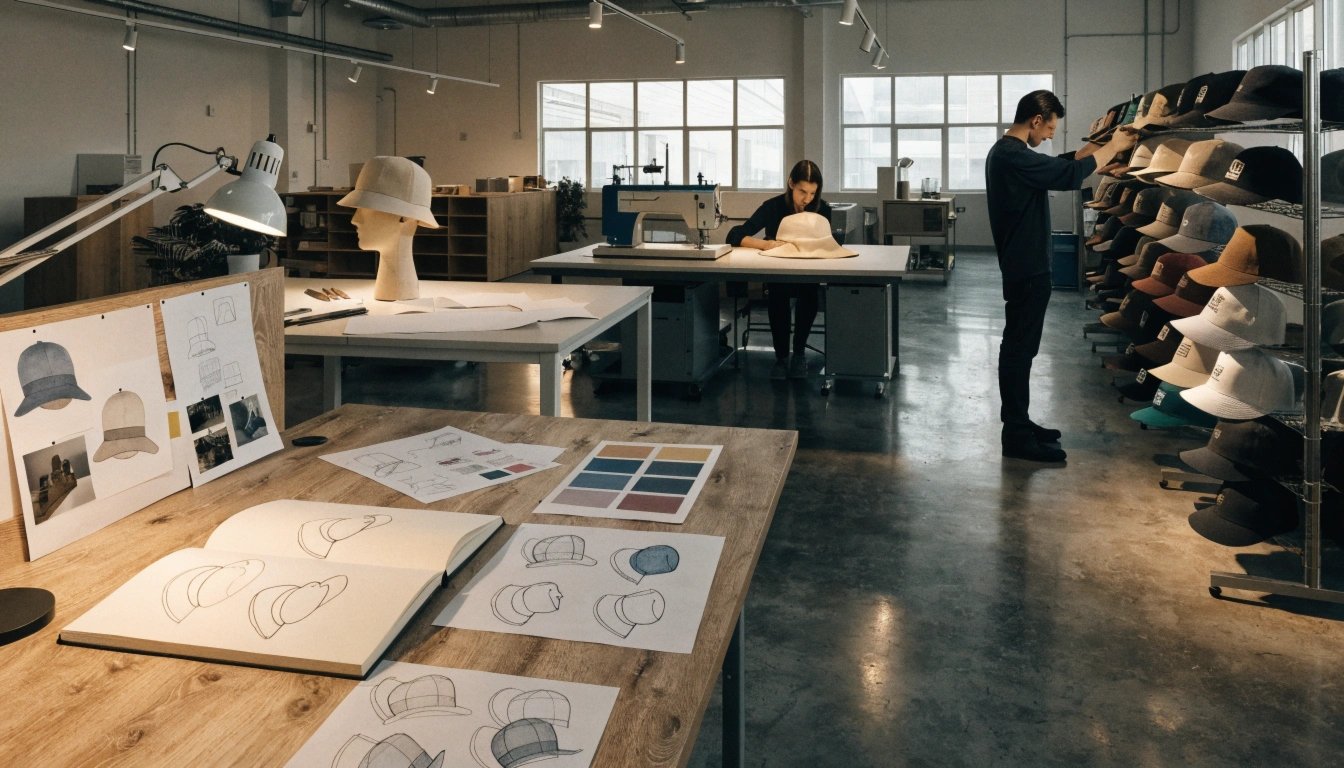
Each stage matters. Having everything in one place improves speed, communication, and accuracy.
How Our In-House Design Team Turns Ideas into Technical Drawings?
Designing headwear starts with inspiration, but turning inspiration into a real product is another story. The challenge lies in translating creative ideas into precise technical specifications.
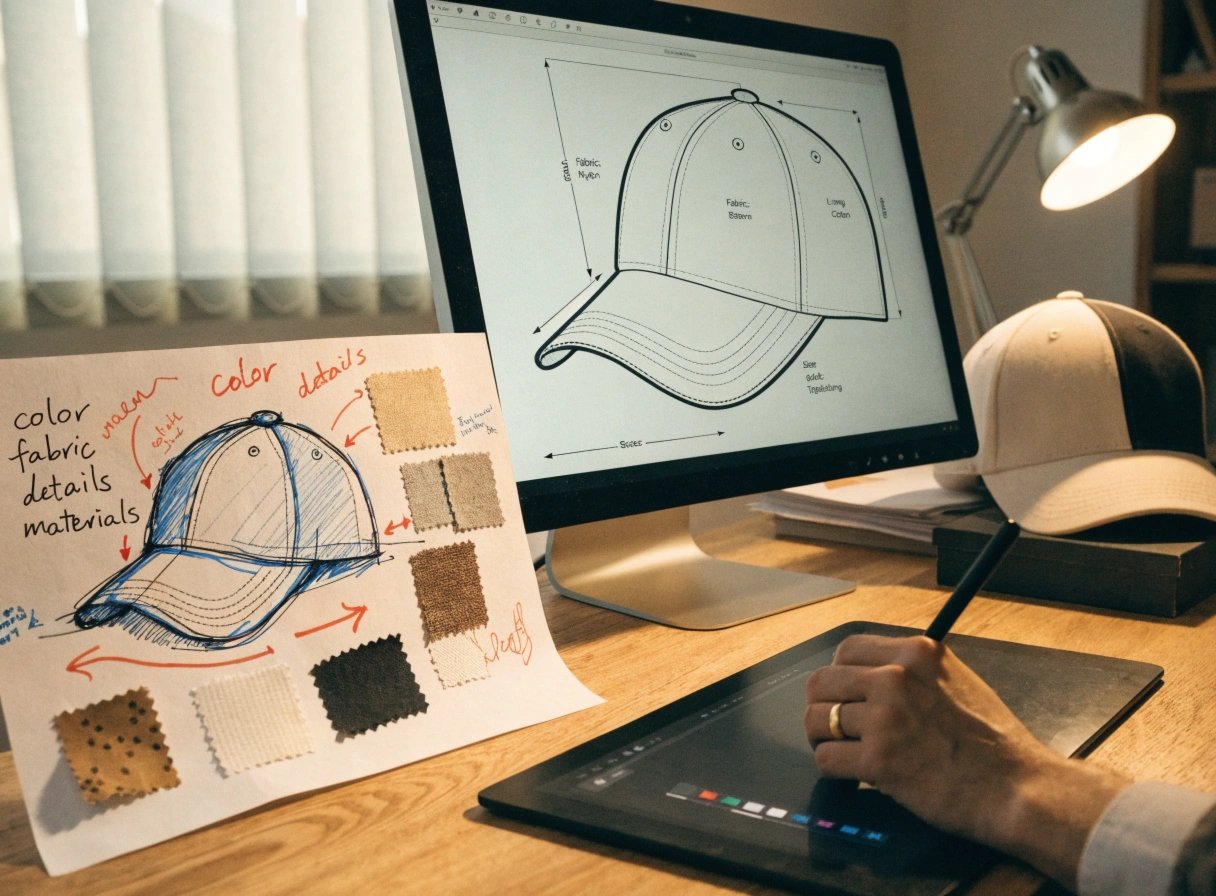
The design process includes brainstorming, sketching, and refining ideas. Designers work closely with production teams to meet both aesthetic and functional requirements. Technical drawings are prepared using CAD software to ensure precision. These drawings guide every subsequent stage, from pattern-making to sampling.
From Pattern Development to Sample Production: Every Step Under One Roof?
Creating headwear prototypes requires multiple stages of development. Outsourcing these stages often leads to delays or miscommunication. How can we ensure efficiency and accuracy?
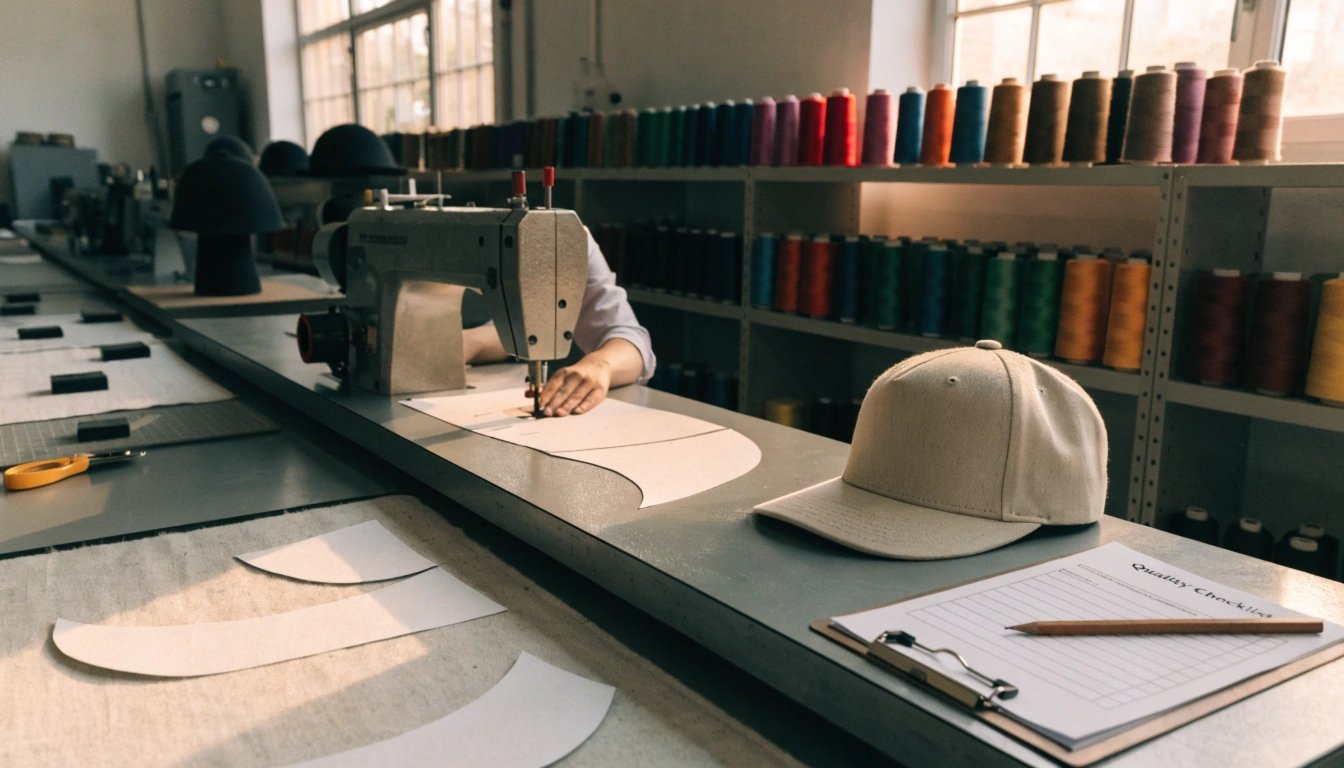
Pattern-making begins by translating the technical drawings into physical templates. Skilled technicians use these templates to cut fabric and assemble initial samples. Sampling teams focus on testing materials, structure, and functionality, ensuring every piece meets design expectations. With the entire process centralized, feedback loops are faster.
Why On-Site Sample Makers Deliver Faster and More Accurate Prototypes?
Prototype development is often the most critical stage. A flawed prototype can derail production timelines entirely. So, how can we ensure prototypes are perfect?
On-site sample makers work closely with designers, quickly incorporating changes and producing accurate prototypes to save time and reduce costs.
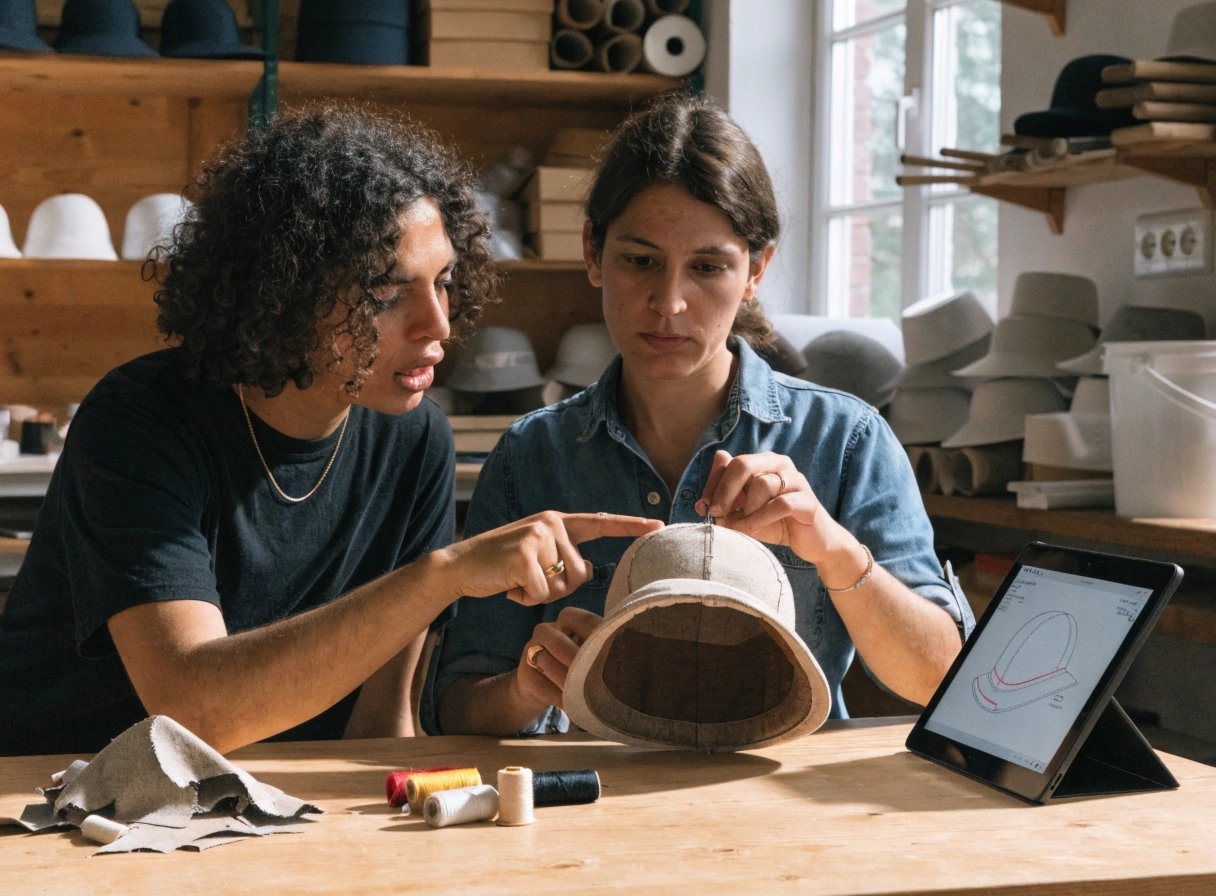
With on-site makers, communication is instant. Teams can address even minor adjustments and finalize prototypes much faster. These makers are experienced in handling diverse materials and techniques, ensuring that every prototype is both functional and aesthetically aligned with the original design vision.
Quality Control Throughout the Headwear R&D and Sampling Process?
Quality assurance needs to be an ongoing effort, not a one-time checkpoint. Flaws can appear at any stage, so constant oversight is essential.
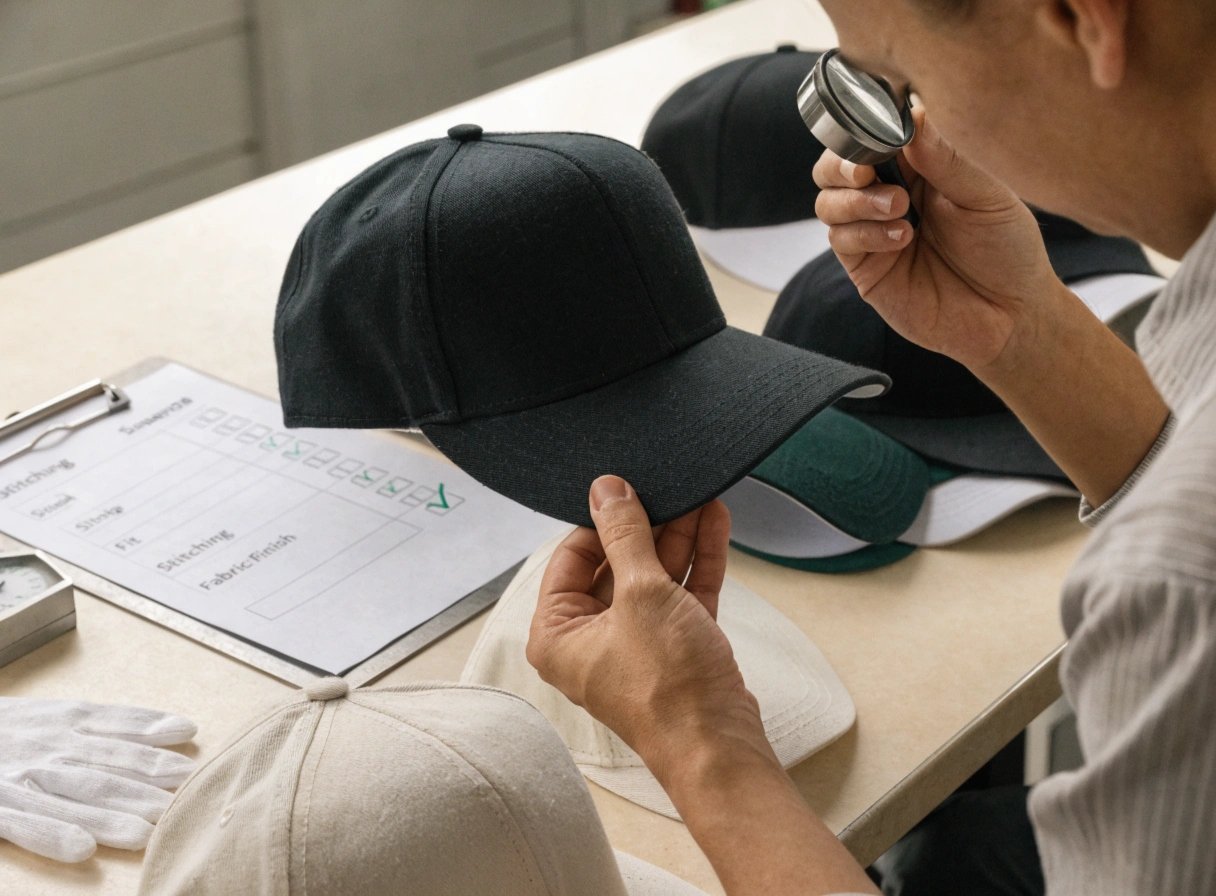
During design, checks focus on accuracy in drawings and ideas. In sampling, testing for fabric durability, fit, and functionality is critical. Teams compare prototypes against original specs and make adjustments to achieve perfection. Continuous quality checks minimize errors and enhance end-product reliability.
Benefits of Working with a Factory That Handles Design, Sampling, and Production?
Factories that outsource portions of their operations often face communication gaps and higher costs. Is there a better solution?
Partnering with a factory that handles design, sampling, and production under one roof ensures streamlined communication, faster timelines, and consistent quality.
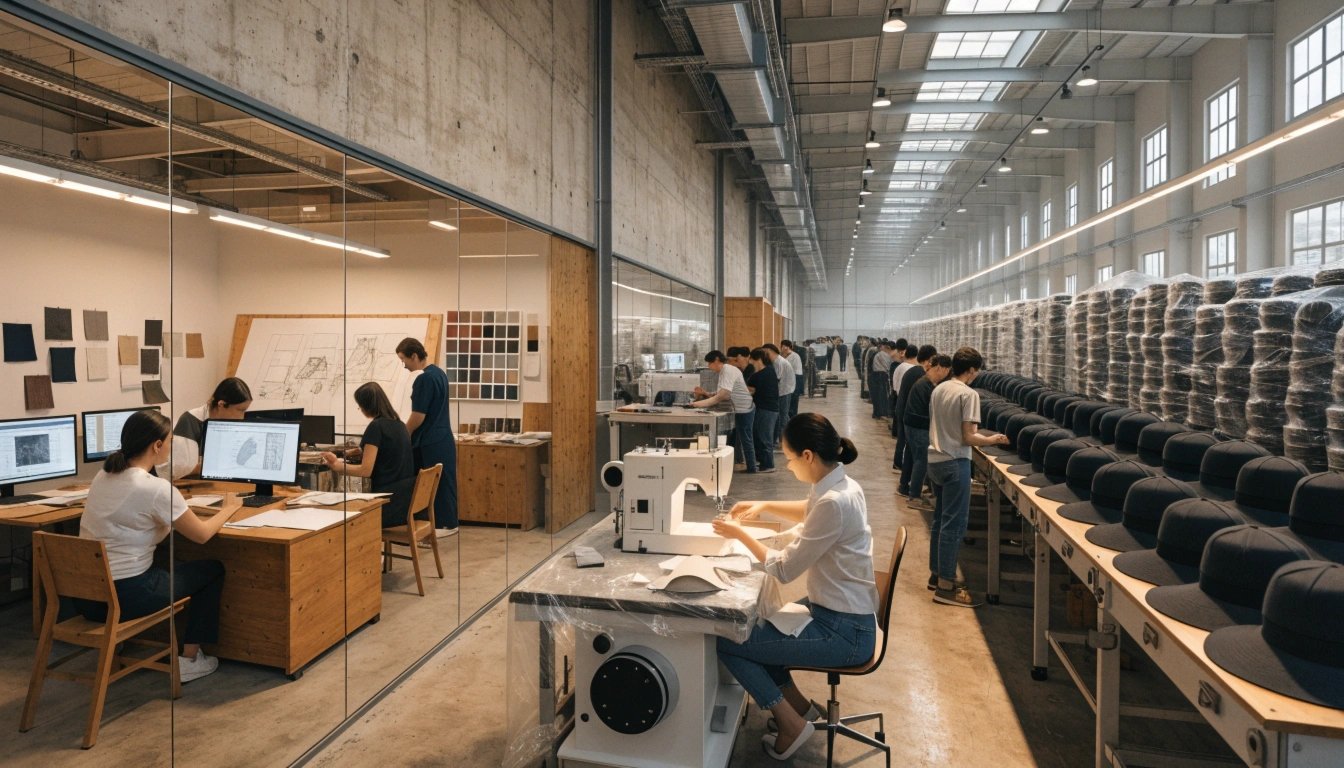
When all teams work together in the same space, responses are immediate. Challenges are solved collaboratively. This saves time and money while maintaining high standards. Plus, it simplifies the R&D process for clients—no more juggling multiple vendors or timelines.
Conclusion
Managing headwear R&D under one roof—from design to sampling—ensures faster delivery, more precise prototypes, and consistent quality. This integrated model is the future of efficient product development.